


Gebrauchte Hobelmaschinen Kaufen
Add a review FollowOverview
-
Founded Date September 24, 1926
-
Sectors Construction / Facilities
-
Posted Jobs 0
-
Viewed 9

Company Description
Sage Advice About Easy-To-Use Planing Machines From A Five-Year-Old
Easy-To-Use Planing Machines: A Guide for Beginners and Professionals
Introduction
Planing machines have become vital tools in woodworking and production, providing an efficient way to develop smooth, flat surface areas on wood and other materials. These machines, also referred to as planers, come in various types varying from manual to electric. For both newbies and specialists, choosing an easy-to-use planing device can considerably enhance efficiency while ensuring safety and precision. In this post, we will check out different easy-to-use planing machines, their functions, and important considerations to assist you pick the best tool for your requirements.
Kinds Of Planing Machines
Planing machines can be categorized into several categories based on their style, Professionelle Hobelmaschinen source of power, and meant usage. Below, we sum up the main types of planing machines:
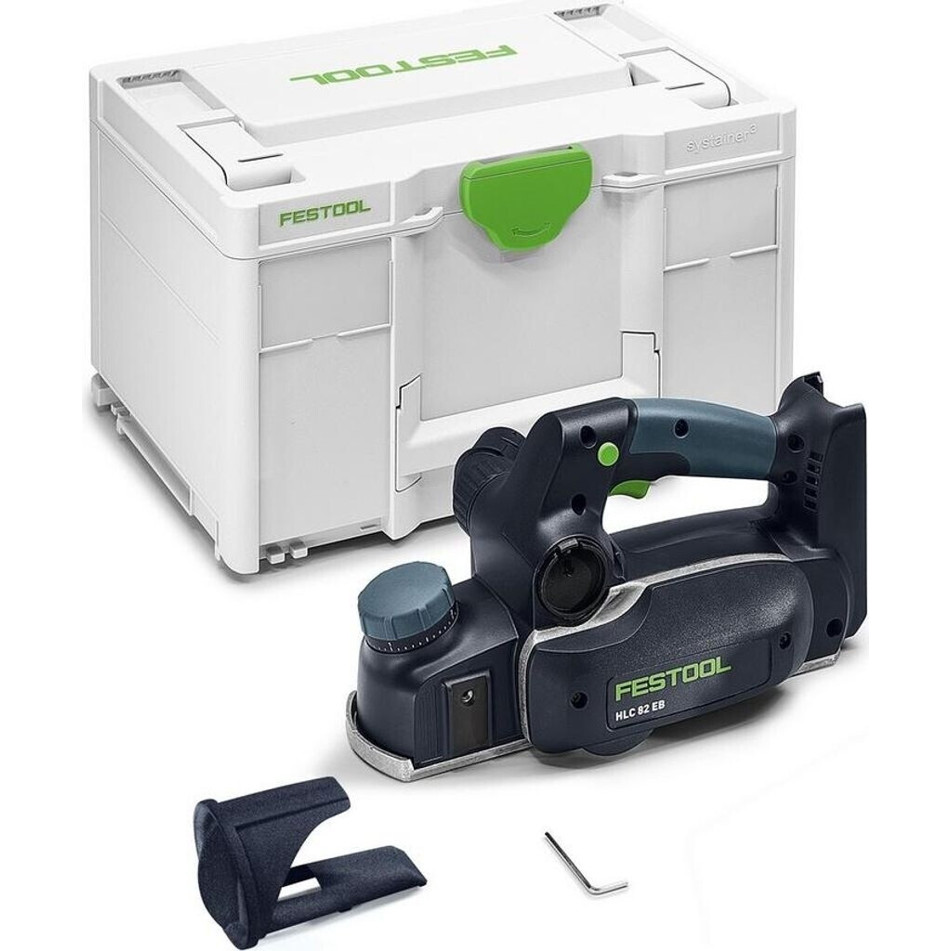
| Type of Planer | Description | Best For |
|---|---|---|
| Hand Planer | A manual tool run by hand, perfect for Top-hobelmaschinen great changes | Hobbyists, hobelmaschinen-Shop smaller sized projects |
| Density Planer | An electric device that measurements wood to a particular thickness | Experts, bigger projects |
| Benchtop Planer | A compact electric planer appropriate for home workshops | Do it yourself lovers, limited space |
| Industrial Planer | Large, sturdy machines created for mass production | Factories, large-scale operations |
| Portable Planer | Lightweight and easy to transport, designed for Benutzerfreundliche Professionelle Hobelmaschinen (http://103.205.253.87) fieldwork | On-site carpentry, mobile tasks |
Functions of Easy-to-Use Planing Machines
When picking a planing machine, numerous key features can enhance functionality:
- Adjustable Cutting Depth: Easy-to-use planers typically include a simple mechanism to change the cutting depth, enabling greater precision in ending up work.
- Dust Collection System: Integrated or attachable dust collections systems help preserve a tidy work space and enhance visibility while working.
- User-Friendly Controls: Simple and user-friendly controls make operation simpler for beginners, promoting security and decreasing the probability of errors.
- Mobility: Weighing less with integrated deals with allows users to move the device easily from one place to another.
- Resilient Construction: Quality materials improve the tool’s durability and performance, ensuring that it holds up against strenuous usage.
Recommendations for Easy-to-Use Planing Machines
Below are some popular models of easy-to-use planing machines, along with their key requirements and features.
| Model | Type | Power | Cutting Width | Weight | Price Range (GBP) |
|---|---|---|---|---|---|
| DEWALT DW734 | Density Planer | 15A | 12 inches | 80 lbs | ₤ 400 – ₤ 500 |
| Makita 1806B | Benchtop Planer | 15A | 12 inches | 65 lbs | ₤ 300 – ₤ 400 |
| Bosch PL2632K | Hand Planer | 6.5 A | 3.25 inches | 6.8 pounds | ₤ 100 – ₤ 150 |
| WEN 6550T | Portable Planer | 15A | 12 inches | 66 lbs | ₤ 250 – ₤ 300 |
| Grizzly G1021Z | Industrial Planer | 5HP | 20 inches | 450 lbs | ₤ 2,000 – ₤ 3,000 |
Safety Considerations
Utilizing planing machines requires adherence to security procedures. Here are important suggestions to enhance security while using a planing device:
- Personal Protective Equipment (PPE): Always wear security goggles, gloves, and ear protection to safeguard yourself from debris and sound.
- Check Before Use: Check the maker for wear and tear, guaranteeing that blades are sharp and protected and that guards are in place.
- Steady Setup: Ensure that the device is on a steady surface to prevent tipping or movement throughout operation.
- Appropriate Feeding Technique: Feed wood gradually and equally to prevent jams and splintering.
- Never Override Safety Features: Respect all safety guards and functions; they are designed to keep operators safe.
FAQs
1. What is the distinction between a density planer and a jointer?
- A thickness planer is created to flatten the surface area of wood to a particular density, while a jointer is used to produce flat edges on boards, making it possible to join pieces together seamlessly.
2. Can I utilize a hand planer for large projects?
- Hand planers are generally more fit for smaller sized tasks and fine tuning; for bigger projects, a density planer or an industrial planer is suggested for efficiency and consistency.
3. How often should I replace the blades on my planer?
- Blade replacement depends on use and the products being planed. Frequently examine blades for dullness; typically, they should be replaced every 3-6 months for optimal efficiency.
4. What type of wood can be planed with these machines?
- Many planing machines can handle softwoods and woods. Nevertheless, always seek advice from the manufacturer’s specs to identify what products are best fit for a specific model.
Picking the best planing maker can considerably streamline woodworking jobs, whether for hobby projects or professional applications. Easy-to-use planing machines equip users with the tools required to achieve precision and effectiveness without compromising safety. The models highlighted above function as outstanding entry points into the world of planing, dealing with a wide range of skill levels and project sizes. By comprehending the functions and specs, you ‘d be well-prepared to purchase a reputable planing maker that satisfies your requirements.
